
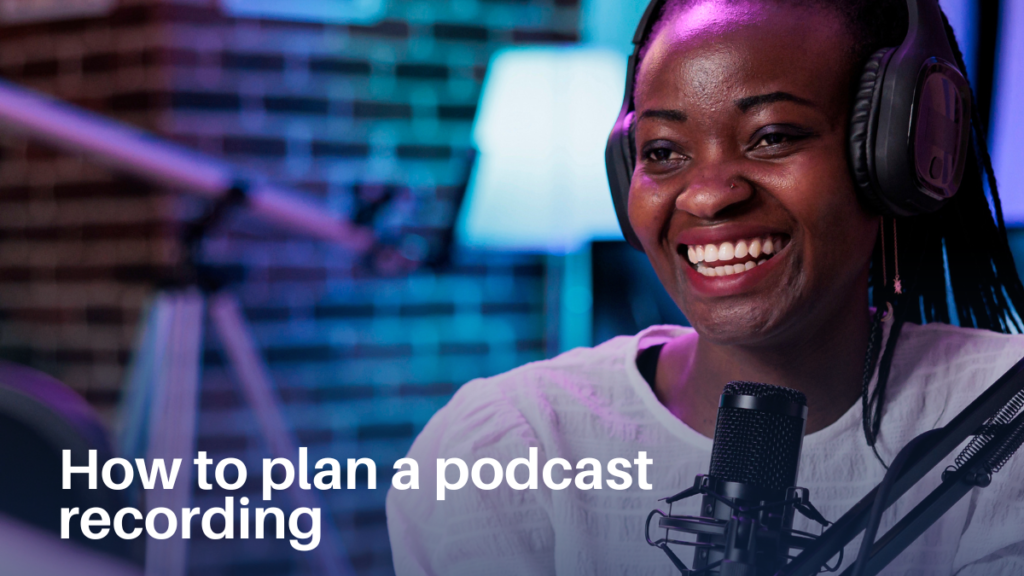
How to Plan a Podcast Recording Session
Planning a podcast recording session properly can make the difference between a smooth, confident conversation and a stressful one that feels rushed, flat or disorganised. Whether you are recording a solo episode, interviewing a guest or filming a full video podcast, a little preparation goes a long way.
A well-planned session helps you save time, reduce mistakes and create stronger content. It also makes the experience better for your guests, your team and, most importantly, your audience. In this guide, we will look at how to plan a podcast recording session step by step so you can get the most out of every recording.
Why planning matters
Many people assume podcasting is all about just turning on the microphones and talking. While natural conversation is a big part of a good podcast, the best episodes are usually backed by good preparation.
Planning your recording session helps you:
- stay focused on the episode topic
- avoid technical issues and delays
- make guests feel more relaxed and prepared
- keep the conversation flowing naturally
- save time when editing afterwards
- create content that is clearer and more engaging
The more organised you are before recording, the easier it is to be present and confident once the session begins.
Start with a clear episode goal
Before you think about equipment, timings or guest arrivals, be clear about the purpose of the episode.
Ask yourself:
- What is this episode about?
- What do I want the listener to take away from it?
- Who is this episode for?
- What action do I want people to take after listening?
Having a clear goal will shape the whole session. It helps you decide what topics to cover, what questions to ask and how to keep the conversation on track.
If the episode tries to do too much, it can end up feeling scattered. A clear theme usually leads to a stronger and more useful podcast.
Decide on the format of the session
Your planning will depend on the type of episode you are recording. A solo podcast session needs a different approach from a guest interview or a panel discussion.
Common formats include:
Solo episode
You will need a clear structure, key talking points and enough preparation to keep your delivery natural without sounding scripted.
Guest interview
You will need to prepare the guest, think about the flow of the conversation and allow time for introductions, setup and any questions they may have before recording.
Co-hosted episode
You will need to agree on who leads which parts of the conversation, how you will transition between topics and how to avoid speaking over each other.
Video podcast
You will also need to consider the set, lighting, camera angles, branding, wardrobe and any visual elements that support the final content.
Create a simple episode outline
You do not need to script every word, but you should always have a clear outline. This keeps the recording focused while still allowing room for natural conversation.
A useful episode outline might include:
- episode title or working title
- main topic
- opening introduction
- three to five key talking points
- any stories, examples or statistics to mention
- call to action at the end
For an interview episode, include a list of questions in a logical order. Start with easy, natural questions to help the guest settle in, then move into deeper or more detailed points.
A simple outline gives you direction without making the conversation feel forced.
Prepare your guest in advance
If you are recording with a guest, good communication beforehand is essential. A guest who knows what to expect will usually be more relaxed, more confident and more useful on the day.
Before the session, send them:
- the date and time of recording
- the location or recording link
- the topic and general theme
- any key questions or talking points
- how long the session is likely to take
- what they should wear if video is involved
It also helps to explain the tone of the podcast. Let them know whether it will be formal, conversational, educational or light-hearted. This helps them prepare mentally and avoids awkward mismatches in style.
Plan the running order
Even relaxed podcasts benefit from a loose running order. This helps everyone know how the session will unfold and prevents things from feeling chaotic.
A typical podcast recording session might follow this order:
Before recording
Arrival, setup, microphone checks, sound checks and a quick conversation to settle nerves.
Opening
Podcast intro, welcome, guest introduction and scene-setting for the episode.
Main conversation
The core discussion, organised around your key themes or questions.
Closing
Final thoughts, call to action, where listeners can find more, and any guest promotion.
After recording
A quick debrief, extra photos or video clips if needed, and confirmation of next steps.
Having a structure like this helps the session feel calm and professional.
Check your equipment before the session
Technical issues can ruin momentum, waste time and make guests feel uneasy. That is why equipment checks should always happen before the recording starts.
Make sure you check:
- microphones are connected and working
- headphones are working properly
- cameras are charged and positioned correctly
- memory cards or storage are ready
- lighting is set up properly
- audio levels are balanced
- internet connection is stable for remote recordings
Even if you have recorded before, never assume everything is ready. A quick check can save a lot of frustration later.
Think about the recording environment
The space you record in matters more than many people realise. Good audio can be affected by echo, outside noise, air conditioning, traffic, phones and even hard surfaces in the room.
Try to choose a space that is:
- quiet
- comfortable
- tidy and professional if filming
- free from interruptions
- suitable for the number of people involved
If you are recording a video podcast, think beyond sound. Look at the background, lighting, branding and how the set reflects your business or personality.
A well-prepared environment helps the whole session feel more polished.
Allow more time than you think you need
One of the most common mistakes in podcast planning is underestimating how long the session will take. A 30-minute episode may require much longer once setup, introductions, retakes and wrap-up are included.
It is often wise to allow time for:
- guest arrival or briefing
- technical setup and testing
- recording the full episode
- retakes or extra sections
- photos, clips or promotional content
- packing down afterwards
Giving yourself breathing room makes the session more relaxed and gives you space to handle anything unexpected.
Prepare for content beyond the episode
A podcast recording session can produce much more than just one episode. With a little planning, you can also capture extra content for marketing and promotion.
You may want to record:
- short teaser clips
- social media videos
- behind-the-scenes footage
- photos with the guest
- extra answers or soundbites for future use
This is especially useful if you are putting time into bringing a guest in or hiring a studio. It makes sense to get as much value from the session as possible.
Brief everyone involved
If other people are part of the recording, such as a producer, videographer, co-host or studio team, make sure everyone understands the plan.
They should know:
- the episode theme
- the running order
- who is leading the conversation
- any key moments that need to be captured
- whether extra content is being recorded
- the desired tone and style of the episode
A clear briefing helps the session run smoothly and avoids confusion on the day.
Have a backup plan
Even well-planned sessions can hit small problems. A guest may run late, a microphone might fail or a conversation may go off track.
It helps to have backups in place, such as:
- spare batteries or cables
- a second memory card
- extra questions or prompts
- water for guests
- a contingency plan for remote recording if needed
Being prepared for the unexpected helps you stay calm and keep the session moving.
Finish with a clear next step
At the end of the recording, do not just switch everything off and move on. Take a few minutes to confirm what happens next.
This might include:
- thanking the guest
- confirming when the episode is likely to go live
- discussing approvals if needed
- gathering links or handles for promotion
- taking a final photo or clip
- making notes on anything that needs editing
This final step keeps things professional and makes post-production easier.
Final thoughts on planning a podcast recording session
Planning a podcast recording session is not about removing the natural feel of the conversation. It is about creating the right conditions for a strong episode. When the topic is clear, the guest is prepared, the equipment is checked and the session has structure, everything feels smoother.
The best podcast sessions often sound effortless, but that usually comes from good preparation behind the scenes.
If you want your podcast to sound more confident, look more polished and create a better experience for everyone involved, start with the planning.